About Elephant Falls
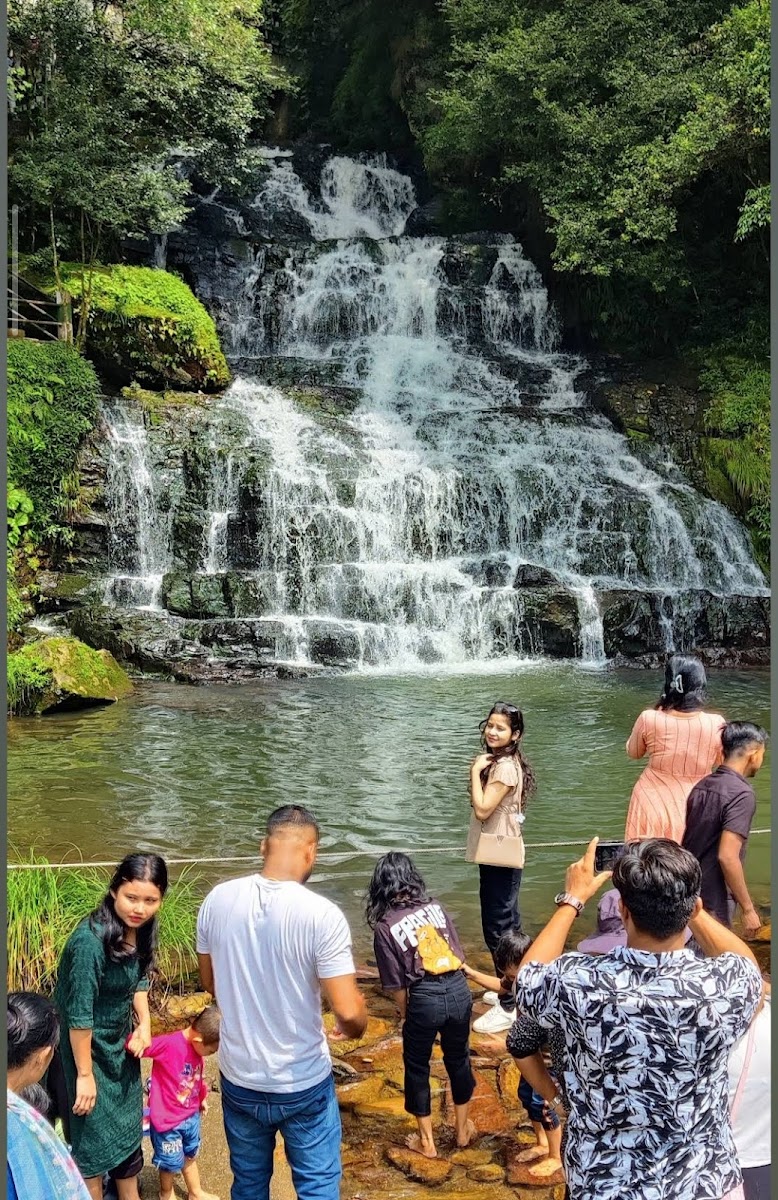
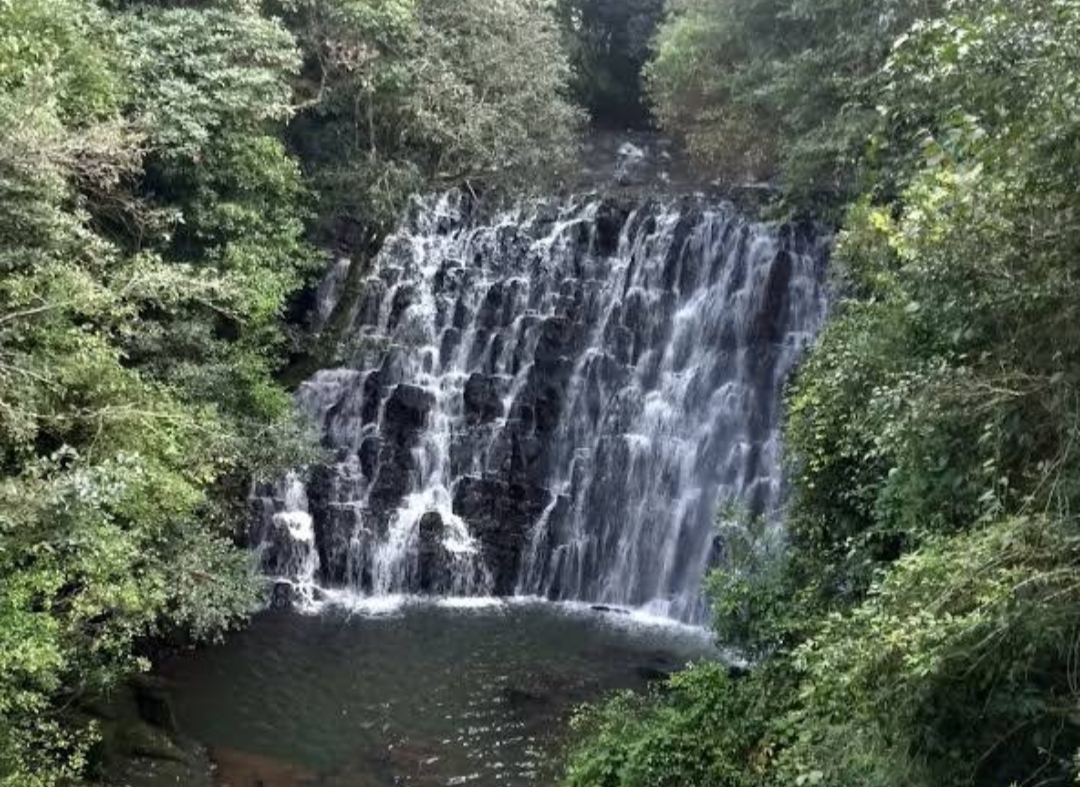
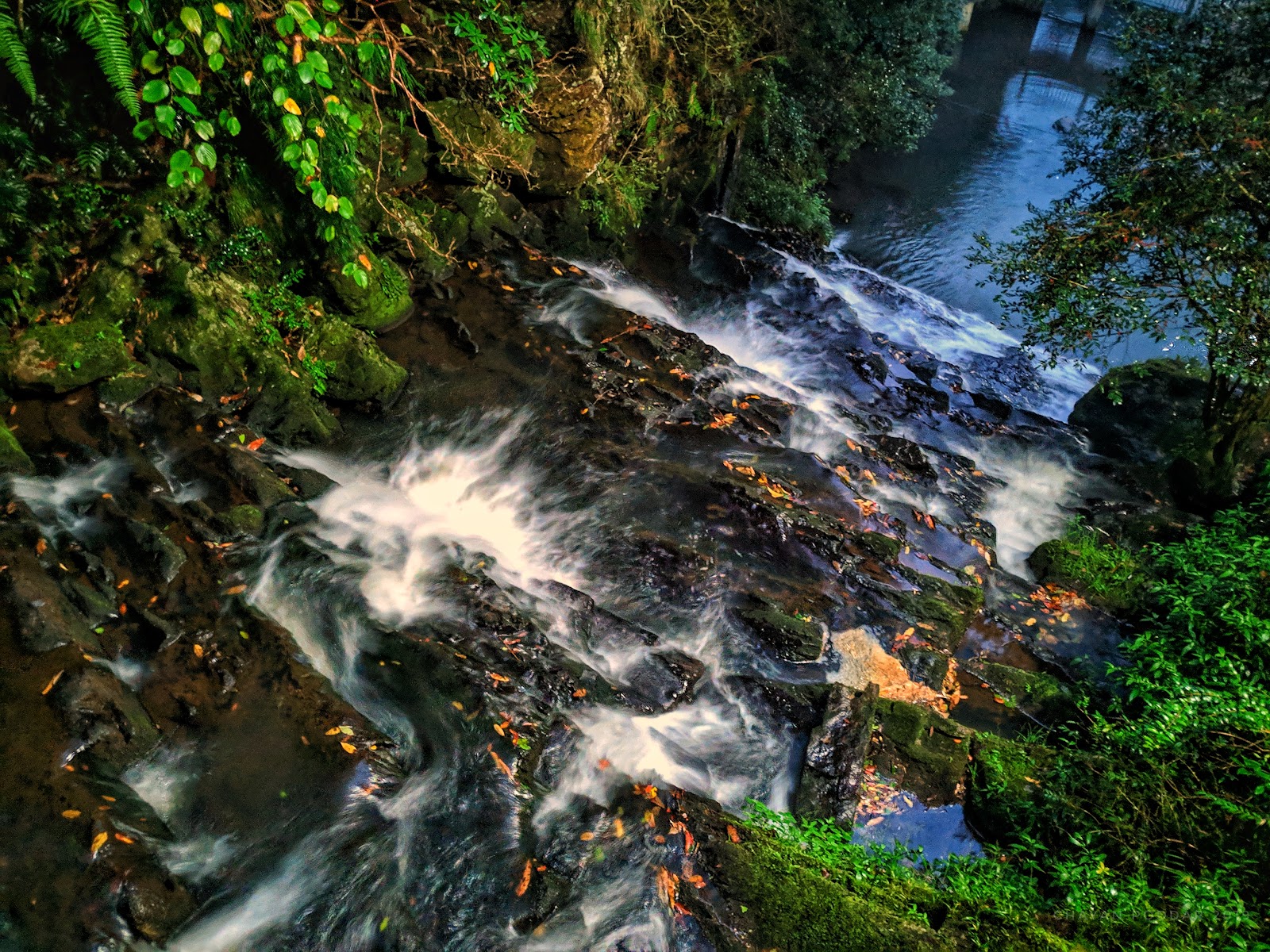
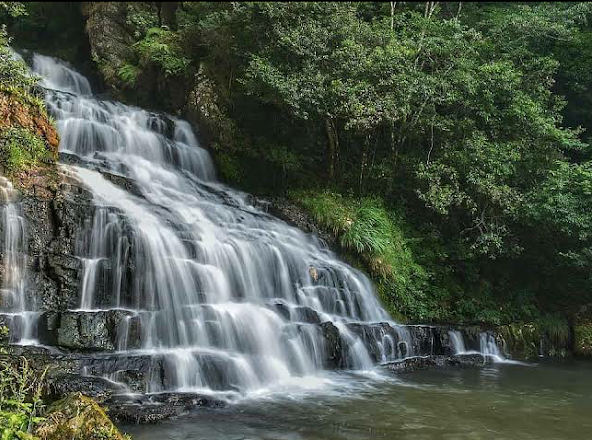
Elephant Falls is a three-tiered waterfall in Upper Shillong, East Khasi Hills, and one of the most visited stops on a Shillong city tour. The stream drops over a series of rock ledges in a wooded gorge, and a paved path with steps lets visitors see each of the three levels from separate viewing points. The Khasi name is Ka Kshaid Lai Pateng Khohsiew, usually translated as "the three-step waterfall". The English name dates from the British period, when a large rock shaped like an elephant stood beside the falls. That rock is widely reported to have been destroyed in the great earthquake of 1897, but the name stayed. The falls are worth a stop because they are close to the city, need little time, and fit easily into a half-day loop with Shillong Peak and the viewpoints of Upper Shillong, or into the drive towards Sohra (Cherrapunji). The water is at its fullest during and just after the monsoon; in the dry months the flow drops to thin streams over the rock.
What to expect at Elephant Falls
Entry: A ticket counter at the gate, with parking for cars and a cluster of small shops selling snacks, tea and souvenirs near the entrance. Walk: A path of stone steps and railings leads down past the first and second tiers to the lowest viewpoint. The climb back up is the tiring part, and steps can be wet and slippery. Viewpoints: Each tier has its own platform; the bottom tier gives the fullest view of the falls. Photos: Traditional Khasi costume hire for photographs is commonly offered near the entrance.
Visitor Information
Best Time to Visit
June to November
Monsoon (June–September): The falls carry the most water, but the steps are slippery and heavy rain can cut visibility. Post-monsoon (October–November): Good flow, clearer skies and comfortable weather; generally the best period. Winter (December–February): Cool and dry, with noticeably thinner falls. Spring (March–May): Pleasant weather, moderate flow, rising again with pre-monsoon showers. Visit in the morning to avoid tour-bus crowds that build up through the late morning and afternoon.
Accessibility
info
Getting There
Elephant Falls is about 10–12 km from central Shillong (Police Bazar), a 25–40 minute drive depending on traffic.
Elephant Falls is about 10–12 km from central Shillong (Police Bazar), a 25–40 minute drive depending on traffic. The route climbs towards Upper Shillong on the road that continues to Sohra, so the falls are easy to combine with Shillong Peak or the start of a Cherrapunji day trip. From Guwahati it is roughly 110 km, around 3 to 3.5 hours by road. Cars stop at the parking area by the gate; from there it is a short walk and a flight of steps down to the viewpoints. A private cab from Shillong can be booked with Tour Meghalaya.
Entry & Duration
Entry Fee: About ₹20 per person; camera and parking charged extra
Most visitors spend 45 minutes to an hour here, including the walk down to all three tiers and the climb back up.
Frequently Asked Questions
What is the entry fee for Elephant Falls?
Recent sources put the ticket at about ₹20 per person, with small extra charges for a camera and for parking. Rates can change, so carry some cash.
How far is Elephant Falls from Shillong?
It is about 10–12 km from central Shillong in Upper Shillong, roughly 25–40 minutes by car.
What are the Elephant Falls timings?
Published timings vary between sources, commonly within about 9 am to 5–6 pm. Aim to arrive by mid-afternoon to see all three tiers in daylight.
Why is it called Elephant Falls?
The British named it after a large elephant-shaped rock beside the falls, which is said to have been destroyed in the 1897 earthquake. Its Khasi name, Ka Kshaid Lai Pateng Khohsiew, means the three-step waterfall.
How many steps are there at Elephant Falls?
There is a stairway down to the lowest tier; one guide estimates around 150 steps. The climb back is steep, so wear shoes with good grip.
What is the best time to visit Elephant Falls?
June to November, when the falls have the most water; October and November combine good flow with clearer weather.